

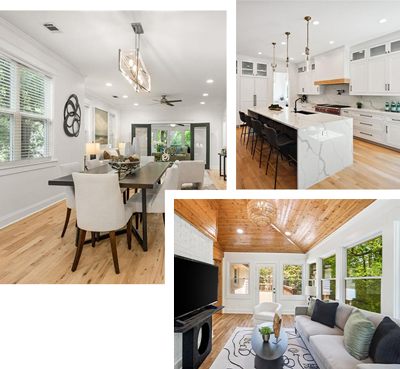

Home staging does not always require big changes or expensive upgrades. Small, thoughtful adjustments can make a space feel more inviting and appealing to buyers.
This article goes over subtle strategies that can help improve the look and feel of a home without overwhelming effort.
Indirect Ways To Boost Home Staging Design
When it comes to preparing a home for viewing, many people focus only on major upgrades or renovations. However, small, indirect improvements can quietly transform a space and make it feel more polished without drawing attention to the changes themselves.
These subtle methods often work better because they allow potential buyers to imagine their own lives in the home rather than being distracted by bold design choices.
Using understated techniques to boost home staging design helps create balance, flow, and comfort throughout the property. Instead of over-decorating or making drastic updates, these indirect changes enhance what is already there.
The goal is to guide the viewer’s eye naturally through the space while creating a calm and welcoming environment that feels both functional and visually appealing.
Add Neutral Decor to Balance the Visual Space
Neutral decor plays a key role when trying to boost home staging design without overwhelming the space. Bold or highly personal decorations can distract buyers and make it harder for them to picture themselves living there.
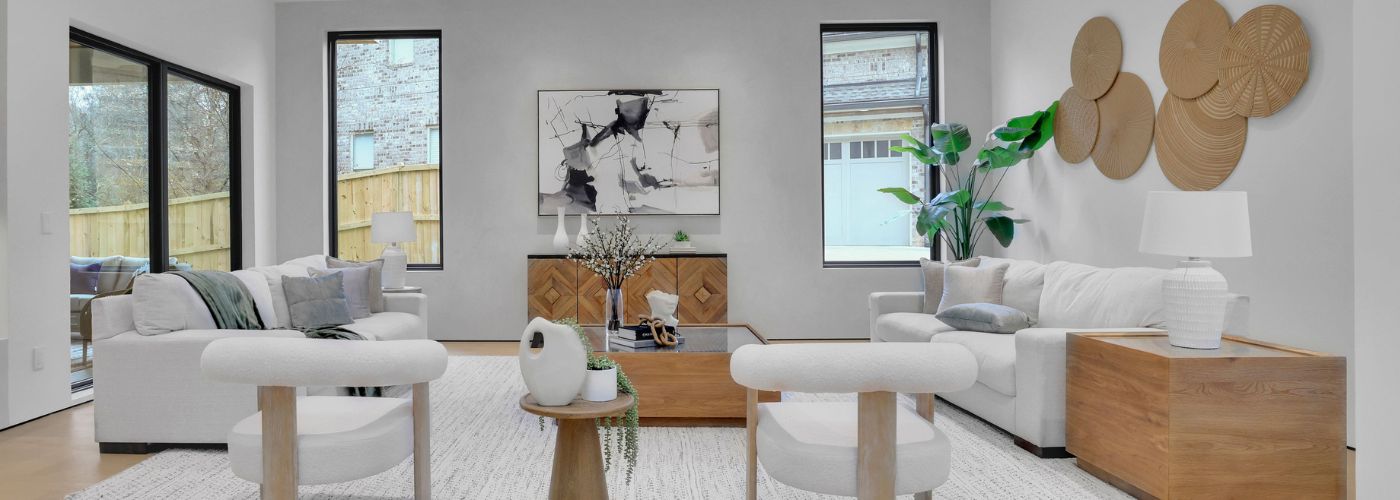
By introducing neutral tones such as beige, gray, or soft whites, the room becomes more universally appealing. Neutral decor acts as a visual reset, calming the space and allowing architectural features to stand out.
In addition to color, the style of decor should remain simple and cohesive. Items like throw pillows, rugs, and wall art should complement each other without competing for attention.
A balanced visual space feels clean and organized, which can make the home appear more spacious and well-maintained. This subtle approach ensures the decor enhances the room instead of dominating it.
Rearrange Furniture to Create Better Room Flow
One of the easiest ways to boost home staging design is by simply rearranging the furniture. A room can feel cramped or awkward if pieces are placed without intention, even if the furniture itself is attractive.
By adjusting the layout, you can open up pathways, improve movement, and make the space feel larger and more functional. Creating clear walking paths helps buyers feel comfortable and allows them to explore the room without obstruction.
Another benefit of rearranging furniture is that it highlights the purpose of each room. For example, a living room should clearly show areas for conversation and relaxation, while a dining space should feel organized and easy to use.
Strategic placement can draw attention to key features like windows, fireplaces, or built-in shelving, helping the room feel intentional and thoughtfully designed without adding anything new.
Use Coordinated Accent Colors
Introducing coordinated accent colors is another effective way to boost home staging design while keeping the overall look cohesive. Rather than using many different colors, choose one or two tones and repeat them throughout the space.
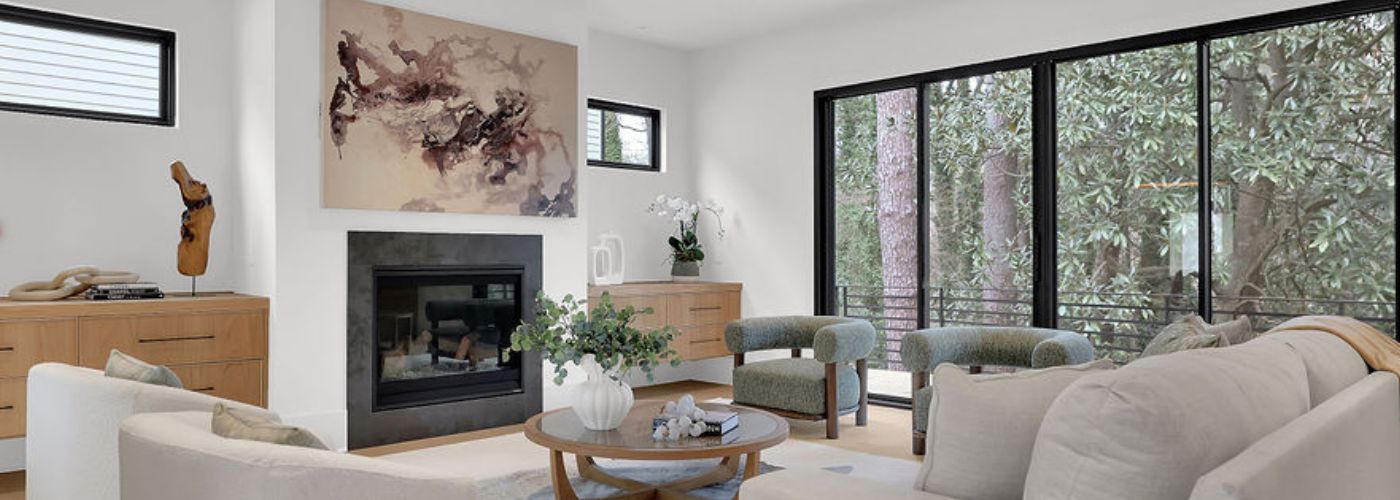
This creates a sense of unity and flow from room to room. Consistency in color choices helps tie different elements together, making the home feel thoughtfully styled.
Accent colors can be added through small details such as cushions, vases, artwork, or even books. These touches should feel intentional but not overwhelming.
Subtle color repetition draws the eye and creates harmony without making the design feel forced or overly decorative. This approach allows the home to feel inviting while still maintaining a clean and professional look.
Incorporate Soft Lighting to Highlight Key Areas
Lighting has a powerful impact on how a home is perceived, and it is an often-overlooked way to boost home staging design. Harsh or insufficient lighting can make even a well-designed room feel uninviting.
By incorporating soft, layered lighting, you can create a warm and welcoming atmosphere. Using a mix of table lamps, floor lamps, and ambient lighting helps eliminate dark corners and adds depth to the space.
Soft lighting can also be used to highlight specific features of the home. For example, placing a lamp near a seating area or artwork can draw attention to those elements without being obvious.
Well-placed lighting enhances the mood of a room and makes it feel more comfortable, which can leave a lasting impression on potential buyers. This subtle adjustment can dramatically improve how the entire space is experienced.
Introduce Fresh Plants for a Natural Design
Adding fresh plants is a simple yet effective way to boost home staging design while bringing life into the space. Plants introduce natural color, texture, and a sense of freshness that cannot be replicated by artificial decor.
Even a few well-placed plants can make a room feel more vibrant and inviting. Greenery softens hard edges and adds a touch of warmth that helps balance the overall design.
It is important to choose plants that are easy to maintain and appropriate for the space. Small potted plants, succulents, or simple arrangements can work well without requiring too much attention.
Natural elements create a connection to the outdoors and help the home feel more relaxed and livable. This subtle addition enhances the staging without overwhelming the design or requiring major effort.