

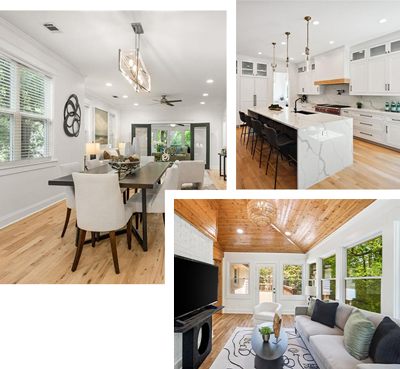

When preparing a home for sale, staging can make a major difference in how buyers view the property. A well-staged home helps highlight its best features, creates a welcoming atmosphere, and allows buyers to imagine themselves living there.
While every room matters, some spaces have a greater impact on purchasing decisions than others. This article goes over the most important rooms to stage before putting a home on the market.
Important Rooms to Stage Before Listing
The important rooms to stage before listing a property are the areas buyers tend to focus on most during showings and online searches.
These spaces often influence a buyer’s first impression and can shape how they feel about the entire home. When these rooms are clean, organized, and thoughtfully arranged, the property appears more inviting and move-in ready.
Many sellers assume staging every room is necessary, but focusing on key spaces can provide the greatest return.
Buyers often spend the most time evaluating bedrooms, kitchens, living rooms, bathrooms, and dining areas because these rooms support daily living.
A well-presented home often feels more valuable and memorable to buyers compared to one that appears empty or cluttered. By prioritizing these areas, sellers can create a stronger emotional connection and improve the home’s overall appeal.
Kitchens That Highlight Functionality and Entertaining Potential
The kitchen is often considered the heart of the home, making it one of the important rooms to stage before listing. Buyers pay close attention to countertops, storage space, appliances, and overall functionality.
A clean and uncluttered kitchen helps showcase these features and allows the room to feel more spacious.
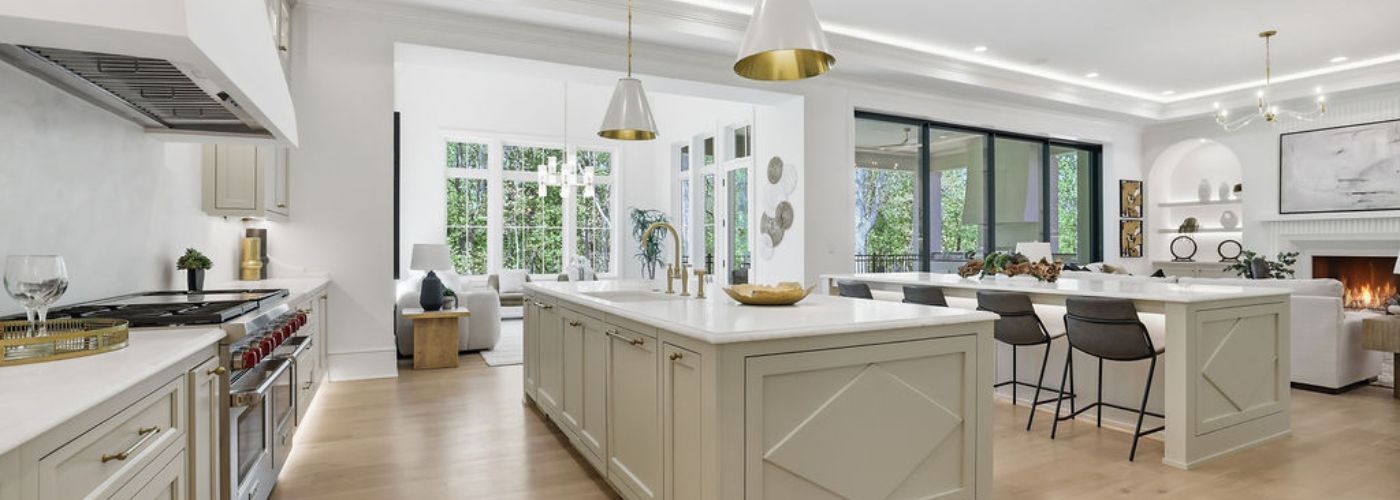
Countertops should be cleared of unnecessary items, leaving only a few carefully selected accessories that add warmth without creating visual distractions.
Keeping cabinets organized and spotless can also leave a positive staging impression, especially when buyers open doors to inspect storage capacity.
A staged kitchen should also demonstrate how the space supports gatherings and everyday use. Simple touches such as a dining setup, a bowl of fresh fruit, or coordinated seating can help buyers picture hosting friends and family.
Creating a balance between practicality and comfort often makes the kitchen feel like a place where future memories can be made.
Primary Bedrooms That Help Buyers Picture Everyday Comfort
Among the important rooms to stage, the primary bedroom plays a significant role because it represents relaxation and personal comfort.
Buyers want to walk into the space and immediately feel that it offers a peaceful retreat from everyday life. Neutral bedding, simple décor, and a clean layout help create a calm atmosphere that appeals to a wider audience.
Removing excess furniture can make the room feel larger and more functional. Personal items such as family photos, collections, and overly bold decorations should also be minimized so buyers can focus on the room itself rather than the current owner’s style.
When buyers can easily imagine themselves unwinding in the space after a long day, the bedroom becomes much more impactful during a showing.
Small updates like fresh linens, improved lighting, and neatly organized closets can further enhance the room’s appeal and help reinforce the home’s value.
Living Rooms That Create a Strong First Impression for Buyers
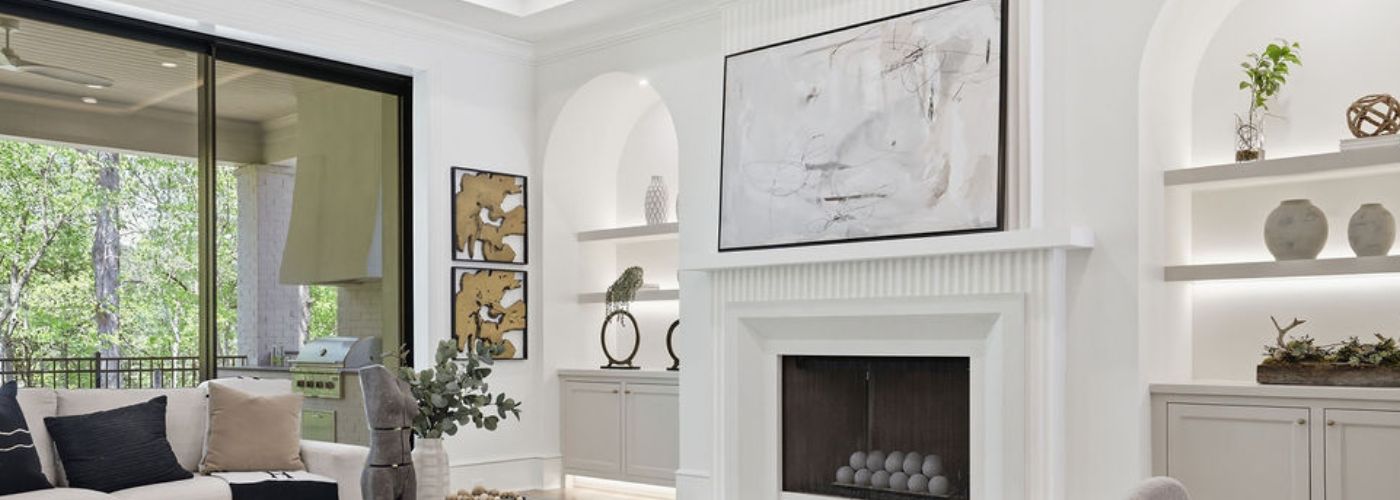
The living room is one of the first areas buyers evaluate, which is why it remains one of the important rooms to stage.
This space often serves as the central gathering area within the home, making it essential to create a welcoming and comfortable environment. Furniture should be arranged to encourage conversation while maintaining clear pathways throughout the room.

Too much furniture can make the area feel cramped, while too little can make it feel cold and unfinished. Proper placement helps define the room’s purpose and allows buyers to appreciate the available space. Natural light should be maximized whenever possible by opening blinds and curtains during showings.
A living room that feels bright, open, and inviting can significantly influence how buyers perceive the rest of the property. Thoughtful staging can highlight architectural features, emphasize room dimensions, and help buyers envision spending time with family and guests in the space.
Bathrooms That Make the Home Feel Clean and Well-Maintained
Bathrooms may be smaller than other areas, but they are still among the important rooms to stage because buyers closely associate them with cleanliness and upkeep.
Even minor signs of neglect can leave a negative impression and raise concerns about the overall condition of the property.
Bathrooms should be spotless, with clean mirrors, polished fixtures, and fresh towels displayed neatly. Removing personal products from countertops and shower areas helps create a cleaner appearance and allows buyers to focus on the room’s features rather than everyday clutter.
Simple updates can make a noticeable difference. Fresh caulking, updated hardware, and bright lighting can help modernize the space without requiring major renovations.
A bathroom that feels fresh and carefully maintained often reassures buyers that the home has been properly cared for over time.
Dining Areas That Showcase Space and Flow Throughout the Home
Dining spaces are often overlooked, but they remain one of the important rooms to stage because they help demonstrate how different areas of the home connect.
Whether the property features a formal dining room or an open-concept eating area, staging can help buyers understand the room’s purpose and functionality.
A properly sized table and coordinated seating arrangement can help define the space without making it feel crowded.
Decorative elements should remain simple and tasteful, allowing buyers to appreciate the room’s dimensions and relationship to nearby living areas and the kitchen.
When buyers can easily see how the dining area supports both everyday meals and special occasions, the entire home often feels more practical and complete. Effective staging also improves visual flow, helping the property feel larger, more cohesive, and easier to navigate during showings.